Shopify vs WooCommerce vs custom: choosing an e-commerce platform in India
Jitender Singh · Founder & Lead Engineer7 min read
The platform debate online is mostly written for American stores. Indian e-commerce has its own constraints — cash on delivery, UPI, GST, courier aggregators and very price-sensitive mobile shoppers — and they change the answer.
Shopify: our default for most D2C brands
Shopify handles hosting, security and sale-day traffic for you. Razorpay, Cashfree and PhonePe all integrate cleanly, Shiprocket apps are mature, and your team can manage products without a developer. The trade-offs are a monthly fee, transaction charges on some plans, and app subscriptions that quietly add up.
WooCommerce: control without a monthly platform fee
WooCommerce suits content-heavy brands, stores that need unusual product logic, and businesses that already run WordPress. You own everything. You are also responsible for hosting, updates, backups and performance — which is fine with a good maintenance plan and painful without one.
Custom: for B2B and unusual pricing
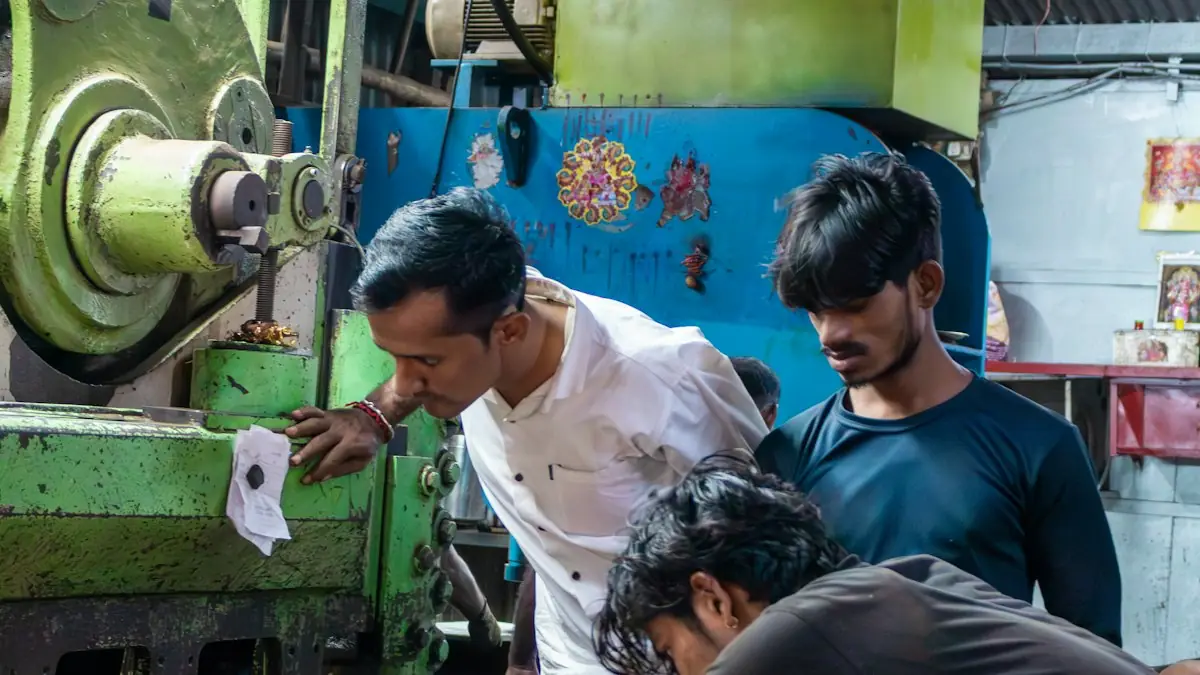
Wholesale portals with tiered pricing, credit limits, bulk ordering by roll or carton, dealer logins and ERP integration rarely fit a standard store. For a Chandni Chowk textile wholesaler we built a custom B2B portal; within months the majority of retailer orders were placed online and order errors fell sharply.
The India checklist, whatever you choose
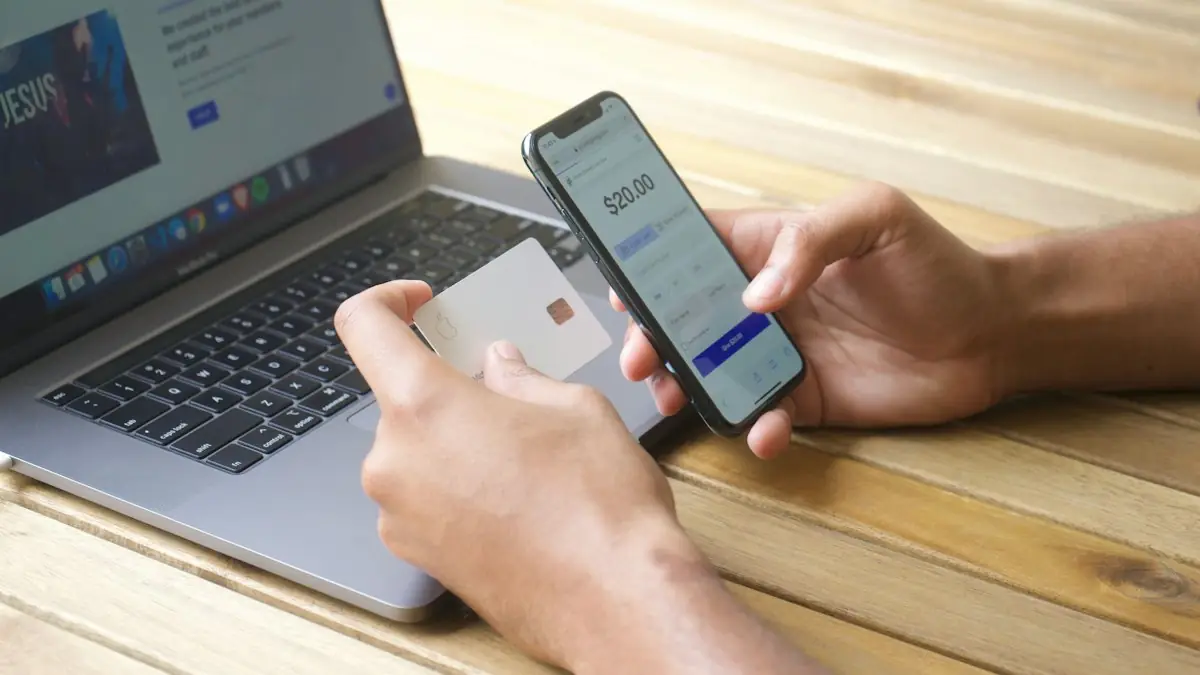
UPI first. Make UPI the most prominent payment option on mobile; it converts best and costs least.
COD with protection. OTP verification, pin-code rules and a WhatsApp confirmation before dispatch reduce return-to-origin losses.
GST done properly. HSN codes on products, automatic invoices with your GSTIN, and exports your accountant can actually use.
Courier aggregation. Shiprocket or a similar aggregator gives you serviceability checks, automatic AWBs and tracking pages.
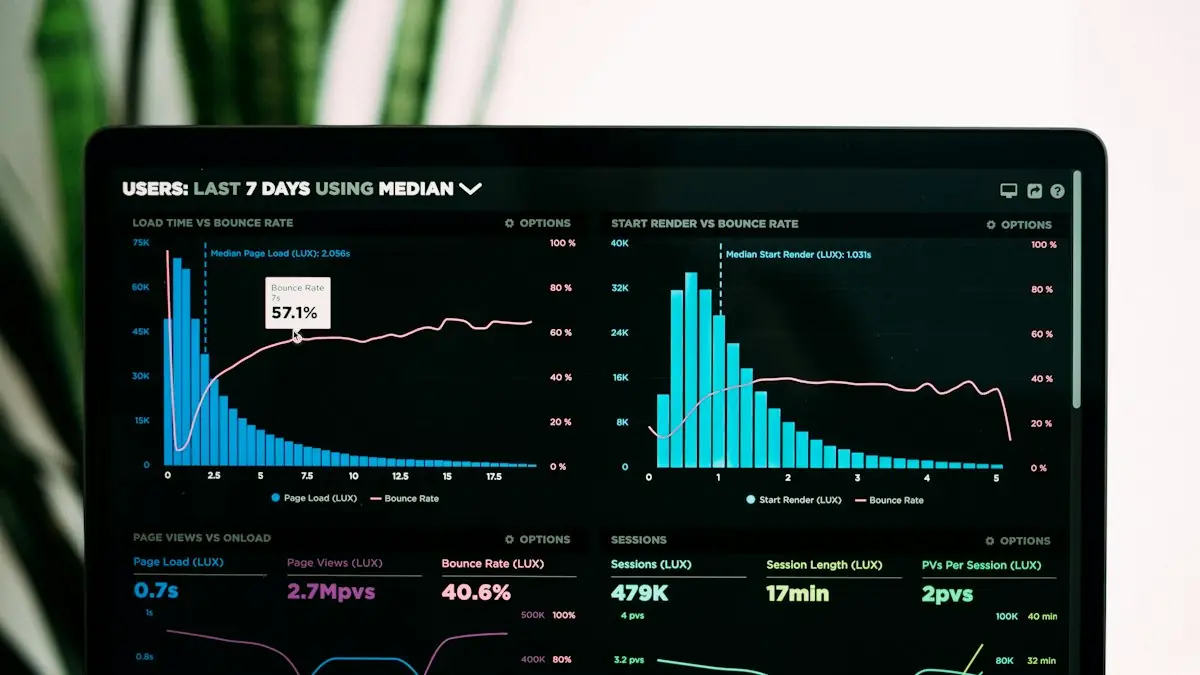
Speed on cheap phones. Test on a mid-range Android over 4G, not on the office Wi-Fi.
What it costs, roughly
A well-built Shopify store for a new D2C brand typically starts in the mid five figures in rupees. A growth-stage store with custom design, loyalty and ERP sync costs more. Custom B2B portals are scoped individually. Whatever the platform, budget for tracking and marketing from day one — a store nobody visits is the most expensive kind.
Jitender Singh
Founder & Lead Engineer at Corewebbers, New Delhi.
14 years building web platforms and SaaS. Still reviews every architecture decision personally.
Most chatbot projects fail for boring reasons: the wrong use case, no guardrails on pricing, and nobody reading the transcripts. What we have learned launching AI assistants on WhatsApp for clinics, coaching institutes and D2C brands.
A plain-English comparison for owners running production on Excel and Tally. When an off-the-shelf ERP is the right answer, when a custom build pays for itself, and the questions to ask before you sign anything.
Google keeps adjusting the thresholds and most advice online is a year out of date. Here is what we measure on every build, the three fixes that give the biggest wins, and the ones that waste a developer week.